On this page
Point Lobos State Natural Reserve sits on Highway 1 about three miles south of Carmel, at the point where the Monterey Peninsula gives way to the Big Sur coast. It is small. You can walk most of its shoreline trails in a day. But it packs in more scenery per mile than almost anywhere on the California coast: emerald coves, wind-bent cypress, granite headlands, tide pools and some of the easiest sea otter watching anywhere.
The painter Francis McComas called it "the greatest meeting of land and water in the world" and the state calls it the crown jewel of its park system. Edward Weston and Ansel Adams spent years photographing here. The Rumsen people knew the place as Ishxenta. Our Monterey and Carmel guide gives Point Lobos a short section as part of a bigger day. This page covers it on its own: getting there, parking, the trails worth your time, wildlife by season and the rules that keep it wild.
Getting there from Palo Alto
The fastest route is US 101 south past San Jose and Gilroy, then State Route 156 west toward Castroville and Highway 1 south through Monterey. Stay on Highway 1 past Carmel and the Carmel River bridge. The reserve entrance is on the right, about three miles south of town. The drive is roughly 95 miles and takes about two hours in light traffic.
Traffic is the wild card. Weekday commute hours in south San Jose can add 30 minutes or more. Highway 1 through Monterey backs up on summer weekends and holiday afternoons. Leave Palo Alto by 6 a.m. for a weekend visit and you should reach the gate around opening time. Our traffic guide covers the worst windows on 101.
There is no realistic public transit for a day trip from Palo Alto. You need a car or a tour. Note that the reserve requires a special event permit for all tour companies and buses, so check that any guided trip you book actually stops inside. If you flew in, you can compare rental cars at SJC or SFO.
Hours, fees and parking
Here is what the Point Lobos page on parks.ca.gov listed when we checked on November 1, 2026:
| Detail | Information |
|---|---|
| Reserve hours | 8 a.m. to 7 p.m.; no vehicles or pedestrians may enter after 6:30 p.m. |
| Information station and Whalers Cabin | 9 a.m. to 5 p.m., as staffing permits |
| Vehicle fee | $10; $9 seniors; $5 with a disabled discount pass |
| Map | $2 brochure at the entrance |
| Vehicle size | Nothing over 21 feet long may drive or park inside |
| Phone | (831) 624-4909 |
The posted closing time looks like summer hours. Daylight saving time ended on November 1. Winter sunsets come before 5 p.m., so plan to be out well before dark whatever the sign says. Call the park if a late afternoon visit matters to you.
Parking inside is spread across several small lots near the main trailheads: Whalers Cove, Sea Lion Point, the Piney Woods picnic area and the south shore turnouts near Bird Island. Together they hold only a modest number of cars. On busy days rangers stop cars at the gate and let them in one at a time as others leave. The alternative is to park on the shoulder of Highway 1 outside the entrance, where signs allow and walk in. Walkers do not pay the vehicle fee. Walk on the shoulder facing traffic and keep children close, because cars move fast on this stretch.
California State Parks annual passes such as the Golden Poppy and California Explorer passes are accepted, as is the California State Library Parks Pass that some public libraries lend out.
The best short trails
Most Point Lobos trails are short, mostly level and linked to each other, so you can string several together. Plan on two to four hours for a good visit. Here are the walks most people should not miss.
- Cypress Grove Trail: a short loop on Allan Memorial Grove, one of only two natural stands of Monterey cypress in the world. The other is at Cypress Point in Pebble Beach. Look for the orange color on the branches. It is a harmless alga that grows on the trees here.
- Sea Lion Point Trail: a short walk to a rocky point where Steller and California sea lions bark from the offshore rocks. Headland Cove, along the way, often has harbor seals and otters in the kelp.
- North Shore Trail: a longer, hillier path above Whalers Cove and Bluefish Cove with cliff views and Guillemot Island. Expect stairs and roots.
- South Shore Trail: an easy walk past tide pools, small beaches and odd rock formations between Sea Lion Point and Hidden Beach.
- Bird Island Trail: a short loop at the south end with views over China Cove and Gibson Beach, two of the prettiest coves in the reserve. Bird Island itself is a nesting site for cormorants.
Bikes are welcome on the paved roads but banned from all trails. Stay on the marked paths. The cliffs are unstable and the surf can sweep people off low rocks, especially in winter swells. Our hiking guide has more coastal walks closer to home.

Wildlife by season
The water off Point Lobos is part of the Monterey Bay National Marine Sanctuary and a state marine reserve. The recovery of its sea life is one of the reasons people come. What you see depends on the month.
- Year-round: sea otters in the kelp off Whalers Cove and Headland Cove, harbor seals on the beaches, sea lions at Sea Lion Point, pelicans and cormorants.
- December to April: gray whales pass offshore on their migration south and then north. Bring binoculars and watch from the headlands.
- Spring: harbor seal pups appear on protected beaches and wildflowers bloom on the meadows above the shore.
- Late summer and fall: humpback whales sometimes feed close to shore. Fall days are often the clearest of the year.
Federal guidelines ask visitors to stay at least 50 yards from seals and sea lions and at least 100 yards from whales. If an animal lifts its head or moves because of you, you are too close.
Whalers Cabin and the reserve's history
Point Lobos looks untouched, but it was once an industrial site. Chinese fishermen worked from Whalers Cove in the 19th century. A shore whaling station operated here. The land later held a granite quarry, a coal shipping chute, cattle grazing and the largest abalone cannery on the West Coast. The small Whalers Cabin, built by Chinese fishermen in the 1850s, now holds a museum about those years, open as staffing allows. The state bought the land in the 1930s and the reserve's status today protects plants, animals and rocks alike.
Rules to know before you go
Good to know
- No dogs anywhere in the reserve. They cannot wait in your car.
- No drones, no alcohol, no smoking and no fires of any kind, including small camp stoves.
- Nothing may be collected: not shells, not rocks, not wood or plants.
- No camping. Everyone must leave by closing time.
- Diving and snorkeling are allowed only at Whalers and Bluefish coves with proof of certification and a dive reservation.
When to go
Point Lobos is good in every season but busiest on summer weekends. Fog is common from July through September, often burning off by early afternoon. September and October usually bring the clearest skies. Winter is quieter, with gray whales offshore and big surf, though rain can close sections of trail. Spring adds wildflowers and pups. Whenever you go, a weekday morning is the calmest time. Our weather guide explains why the coast can be 20 degrees cooler than Palo Alto on the same day.
Food and nearby stops
There is no food for sale inside the reserve. Picnic tables sit at Piney Woods and a few other spots, so bring lunch and water. Carmel-by-the-Sea, ten minutes north, has the nearest bakeries, cafes and restaurants. The Crossroads area near the Highway 1 and Rio Road junction has grocery stores for picnic supplies.
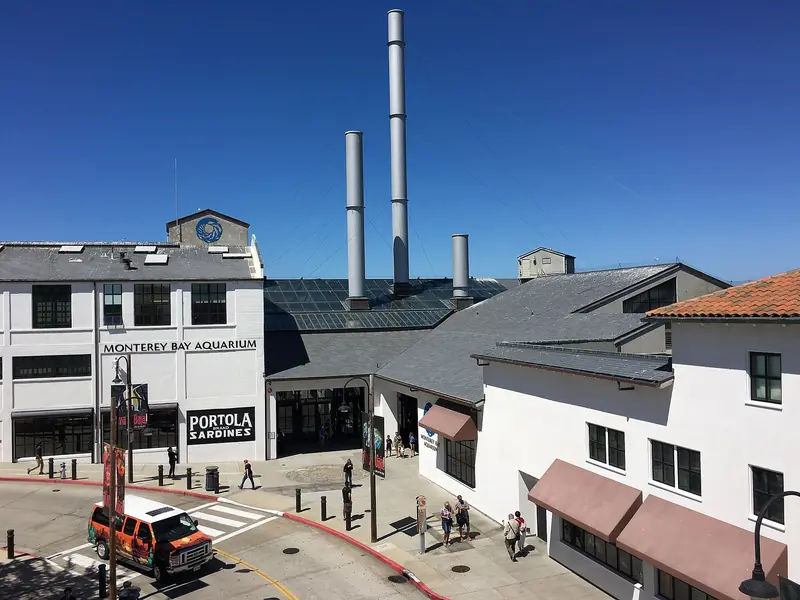
Point Lobos combines well with other stops. Carmel Mission is a few minutes north. Carmel Valley starts just inland, often sunny when the coast is gray. Garrapata State Park and the Bixby Bridge area lie just south on the road into Big Sur, though parking near Bixby Bridge has been banned since August 2026. Monterey, the aquarium and Pacific Grove are 20 to 30 minutes north.
A sample day
- 6 a.m. Leave Palo Alto on US 101.
- 8 a.m. Arrive at the gate as it opens and park near Sea Lion Point.
- 8:15 a.m. Cypress Grove Trail, Sea Lion Point and the South Shore Trail.
- 10:30 a.m. Drive to Bird Island for China Cove, then Whalers Cabin.
- 12:30 p.m. Lunch in Carmel and a walk on Carmel Beach.
- 2:30 p.m. Carmel Mission or a drive into Carmel Valley, then head home before the evening traffic.
Two hours each way is a lot for one day. An overnight in Carmel or Monterey lets you reach the gate at opening without a 6 a.m. start. You can compare hotels in Carmel and Monterey. Browse all our day trips from Palo Alto for more ideas.
Frequently asked questions
How much does it cost to visit Point Lobos?
California State Parks lists a vehicle day use fee of $10, or $9 for seniors. Walk-in visitors who park legally on the Highway 1 shoulder do not pay the vehicle fee. A printed brochure and map costs $2 at the entrance.
What are the Point Lobos hours?
The state park page, checked November 1, 2026, lists the reserve as open from 8 a.m. to 7 p.m. with no vehicles or pedestrians allowed in after 6:30 p.m. The information station and the Whalers Cabin are listed from 9 a.m. to 5 p.m. as staffing permits. Hours can shift with the season, so check before you go.
Can you bring a dog to Point Lobos?
No. Dogs are not allowed anywhere in the reserve and they cannot be left inside parked vehicles there either. Carmel Beach in town and Garland Ranch Regional Park in Carmel Valley are nearby places that do welcome dogs on their own terms.
How early should I get to Point Lobos to park?
On weekends and holidays the small lots inside the gate can fill by mid-morning. Arriving close to the 8 a.m. opening gives you the best chance. If the gate is full, rangers may hold cars until spaces open, or you can park on the Highway 1 shoulder where signs allow and walk in.
What is the best short hike at Point Lobos?
The Cypress Grove Trail is the classic choice. It is a short loop through one of only two natural Monterey cypress groves in the world, with cliff views over the water. Pair it with the Sea Lion Point Trail and the Bird Island Trail above China Cove for a two to three hour visit.