On this page
Palo Alto's martial arts scene is small but varied. Within a mile or two you can find an Olympic sport taught by a former Stanford coach, a boxing gym with roots in Hawaii, a kempo karate school whose chief instructor has led it since 1995 and a kung fu school for children in Midtown. Traditional Okinawan karate meets just over the city line in Menlo Park.
This guide covers the schools we confirmed on their own websites in October 2026. It explains what each art is like, which ages each school teaches and how to try a class. Class times and prices change, so check each school's site before your first visit. For children's team sports, see our youth sports guide.
Choosing a martial art
The styles taught around Palo Alto fall into three broad groups. Knowing which one appeals to you narrows the search fast.
| Style | What you learn | Where nearby |
|---|---|---|
| Judo, jiu jitsu | Throws, pins, falls and grappling | Tamayo's Judo; youth jiu jitsu at NITO Boxing |
| Boxing | Punching, footwork, conditioning | NITO Boxing |
| Karate, kempo | Strikes, blocks, kata and self-defense | USSD Palo Alto; Seiwakai Karate in Menlo Park |
| Kung fu | Forms, kicks, flexibility and discipline | Kung Fu Kids Palo Alto |
Grappling arts suit people who like close contact and problem solving. Striking arts suit people who want cardio and a punching bag. Forms-based styles suit those who enjoy precise practice and steady belt progress.
California Avenue: judo and boxing
A short stretch of California Avenue has become the city's fitness block. Two martial arts schools sit across the street from each other.
Tamayo's Judo
Tamayo's Judo is at 290 California Avenue, Suite B. Head coach Raul Tamayo led Stanford Judo from 1994 to 2020 and holds a sixth-degree black belt, according to the club. The club lost its earlier dojo in Los Altos to a Christmas Day fire in 2023 and rebuilt on California Avenue, with spring floors under tatami mats.
The program is a clear ladder. Pre-Judo is for ages 4 to 6, one 45 minute class a week built on games and movement, with no throws or sparring. Junior Judo for ages 8 to 12 can train up to four times a week. Adults mix technique with randori, or live practice. Some advanced juniors train alongside them. The club offers a free trial class and places young children by birth year.
NITO Boxing
Across the avenue at 261 California Avenue, NITO Boxing is the Palo Alto branch of a Honolulu gym led by trainer Carlos "Nito" Tangaro. It runs adult boxing classes for beginners and experienced boxers on a posted weekly schedule. The youth program covers boxing and a newer youth jiu jitsu class with takedowns, throws and submissions. New members book a first class online.
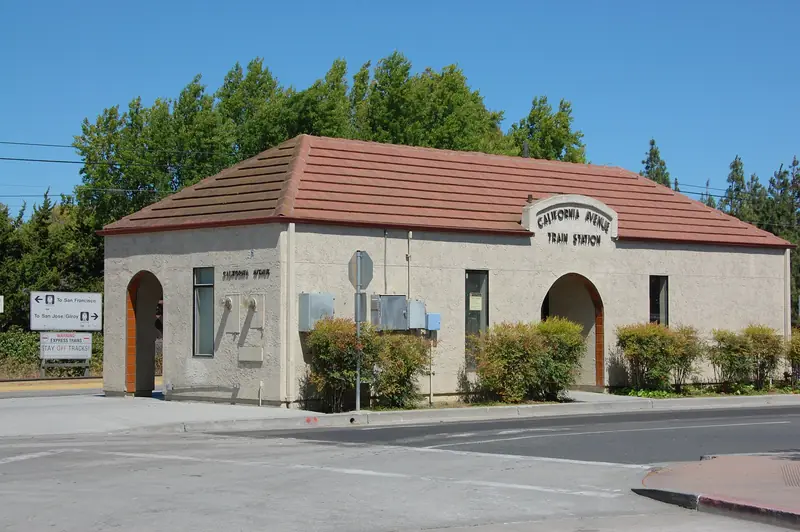
Both gyms are a short walk from the California Avenue Caltrain station. The Sunday farmers market sets up on the closed blocks nearby.
USSD Palo Alto: kempo karate
United Studios of Self Defense Palo Alto is at 3773 El Camino Real in south Palo Alto. It teaches kempo-style martial arts in private and group classes, for students from preschool age to adults. Chief instructor Gary Flickenger began training with USSD in 1993 and has led the Palo Alto school since 1995, according to the school.
Kempo blends hand strikes, kicks, blocks and practical self-defense techniques. Classes progress through a belt system. Ask about a trial class and about which group fits your age and experience.
Kung Fu Kids Palo Alto
Kung Fu Kids lists a Palo Alto school at 2741 Middlefield Road, Suite 101, in Midtown, with a second Peninsula school on Grant Road in Mountain View. Older web links for Wushu Central and Studio Kicks now lead to the Kung Fu Kids site. As the name suggests, the focus is children, with classes built around focus, fitness and confidence. The website also mentions classes for adults and whole families, so ask the Palo Alto school which adult options it runs.
Seiwakai Karate Silicon Valley, Menlo Park
For traditional Okinawan karate, Seiwakai Karate Silicon Valley trains at the Arrillaga Family Recreation Center, 700 Alma Street in Menlo Park. The school teaches Goju-ryu karate under the JKF Gojukai and Seiwakai organizations, led by instructor Johnpaul Williams. It lists two classes on Mondays and Wednesdays:
- 5:45 to 7 p.m. for beginners and youth ages 8 to 12
- 7 to 8:45 p.m. for adults and experienced karateka
Sunday sessions for kobudo and grading preparation are by invitation. The rec center hosts several martial arts programs, so the school asks new students to make sure they register for "Traditional Karate" in the City of Menlo Park listings. The center is about a 3 minute walk from the Menlo Park Caltrain station.

More places to train
- YMCA. The YMCA of Silicon Valley runs martial arts among its youth programs. Ask the Palo Alto Family YMCA on Ross Road what meets there this season.
- City classes. The city's Enjoy! catalog, booked through CivicRec, carries seasonal fitness classes. Search it for self-defense or martial arts listings before each season.
- General gyms. Some fitness studios run kickboxing or boxing-style workouts. Our gyms and fitness guide lists them.
Starting as an adult
Plenty of people in Palo Alto start a martial art in their 30s, 40s or later, often after years of watching a child train. Every school on this page lists adult classes, but the adult groups look different from one place to the next.
- For a hard workout, NITO Boxing's adult classes are built around conditioning, footwork and bag work, with a tiered approach for new members.
- For a skill you can practice for decades, the adult judo class at Tamayo's Judo and the evening Goju-ryu class in Menlo Park both follow traditional grading systems.
- For flexible scheduling, USSD offers private lessons alongside group classes, which helps if you travel for work.
Grappling and sparring put real strain on joints. If you have not trained in years, say so on day one and ask to skip live practice until you know the drills. Build up slowly and book a rest day between hard sessions at first.
Your first class
- Book a trial. Tamayo's Judo offers a free trial class. NITO Boxing and USSD take sign-ups online.
- Dress simply. Wear athletic clothes without zippers or buttons. Remove jewelry. Judo and karate are trained barefoot on mats.
- Arrive early. Fill in the waiver and meet the instructor before class starts.
- Tell the coach about injuries. A good instructor will adapt drills for a bad knee or shoulder.
- Buy gear later. A judogi, karate gi or boxing gloves can wait until you decide to stay.
Good to know
- Children's classes can fill when the school year starts. Ask about openings before you promise a child a spot.
- Belt tests and uniforms often carry fees beyond monthly tuition. Ask for the full cost up front.
- For dance, skating and other non-team lessons, see our kids classes guide.
Frequently asked questions
Where can I learn judo in Palo Alto?
Tamayo's Judo at 290 California Avenue, Suite B, teaches judo to young children, juniors and adults. Head coach Raul Tamayo led Stanford Judo from 1994 to 2020, according to the club. New students can ask for a free trial class.
Are there karate classes for adults in Palo Alto?
Yes. USSD Palo Alto at 3773 El Camino Real teaches kempo-style karate with private and group classes for adults and kids. In Menlo Park, Seiwakai Karate Silicon Valley holds an adult class on Monday and Wednesday evenings at the Arrillaga Family Recreation Center.
Is there a boxing gym in Palo Alto?
NITO Boxing at 261 California Avenue runs adult boxing classes for beginners and experienced boxers, plus youth boxing and youth jiu jitsu. New members book a first class through the gym's website.
What age can kids start martial arts in Palo Alto?
It depends on the school. Tamayo's Judo starts children at 4 in its Pre-Judo class. Seiwakai Karate's youth class is for ages 8 to 12. USSD and Kung Fu Kids teach young children too, so ask each school about its youngest group.
Which martial art is best for self-defense?
There is no single answer. Judo and jiu jitsu teach throws, pins and control on the ground. Boxing builds striking, footwork and fitness. Karate and kung fu combine strikes, blocks and forms. A trial class at two schools is the best way to choose.