On this page
Old Palo Alto is the neighborhood most often held up as the classic Palo Alto address. Its streets are wide and shaded by old trees. Its houses range from Spanish Revival villas to Tudor cottages to big new homes built for tech founders. It is quiet, central and close to two train stations, which is a rare combination.
The name is a little misleading. Old Palo Alto is not the city's oldest neighborhood. Downtown and Professorville came first. But it has been a desirable address for more than a century. Its mix of history and convenience explains why. This guide covers where it is, how it developed, what the houses look like, the parks and gardens and what daily life there is like.
Where Old Palo Alto is
The boundaries are unusually clear. Old Palo Alto runs from Embarcadero Road on the north to Oregon Expressway on the south. Alma Street and the Caltrain tracks form its western edge and Middlefield Road its eastern one. Professorville lies directly north across Embarcadero Road. The Community Center neighborhood is across Middlefield. Midtown begins across Oregon Expressway.
Inside those lines the street pattern is a simple grid that continues the downtown streets south. Emerson, High, Ramona, Bryant, Waverley, Cowper and Webster run the long way. Cross streets such as Coleridge Avenue and Santa Rita Avenue run between them. Bryant Street is part of the city's main north to south bike boulevard, so it is busy with cyclists at school times.
How the neighborhood developed
When Palo Alto was young, Embarcadero Road was the edge of town. The first house built south of it belonged to Edwin Percy Gamble, the youngest son of James Gamble, who cofounded Procter and Gamble. Edwin and his wife Elizabeth moved from Kentucky in 1902 and hired San Jose contractor C. A. Bates to build a three-story house and carriage house at the corner of Waverley Street and Embarcadero Road. The bill came to $6,039. Formal gardens designed by Walter A. Hoff followed in 1908.
Other families followed over the next three decades. The city's historic survey identifies the Seale Addition, around Coleridge Avenue and its cross streets, as an area of several hundred homes built from about 1900 to 1940. It was developed lot by lot by individual owners rather than by one builder, which is why styles change from house to house. Near the southern end, the blocks around Byron, Webster, Santa Rita and North California streets, known as the Emery Subdivision, filled in during the 1930s and 1940s.
By the end of World War II most of the neighborhood was built. In recent decades many older homes have been replaced by larger new ones. Construction noise is now a common complaint. The Old Palo Alto Neighborhood Association, known as OPANA, represents residents on local issues such as traffic and development.
Architecture
Old Palo Alto does not have one look and that is part of its appeal. A single block might hold a Spanish Colonial Revival house with a red tile roof, a half-timbered Tudor Revival cottage, a shingled Colonial Revival and a sleek contemporary rebuild. Common features of the older houses include:
- Stucco walls, arched windows and tile roofs on Spanish and Mediterranean Revival homes
- Steep gables, leaded glass and brick chimneys on Tudor and English cottages
- Symmetrical facades and columned entries on Colonial Revival houses
- Detached garages at the back of the lot, reached by a long driveway
Birge Clark, Palo Alto's leading architect of the 1920s and 1930s, worked throughout this part of town. His clients included the philanthropist Lucie Stern, whose house on Cowper Street he designed. Clark's Spanish Revival style became so closely tied to Palo Alto that many later houses copy it.
Lots average about 9,000 square feet, generous by Bay Area standards. A few estates exceed an acre. Many homes have basements, except in mapped flood zones. Newer houses tend to fill more of their lots than the originals did.
Elizabeth F. Gamble Garden
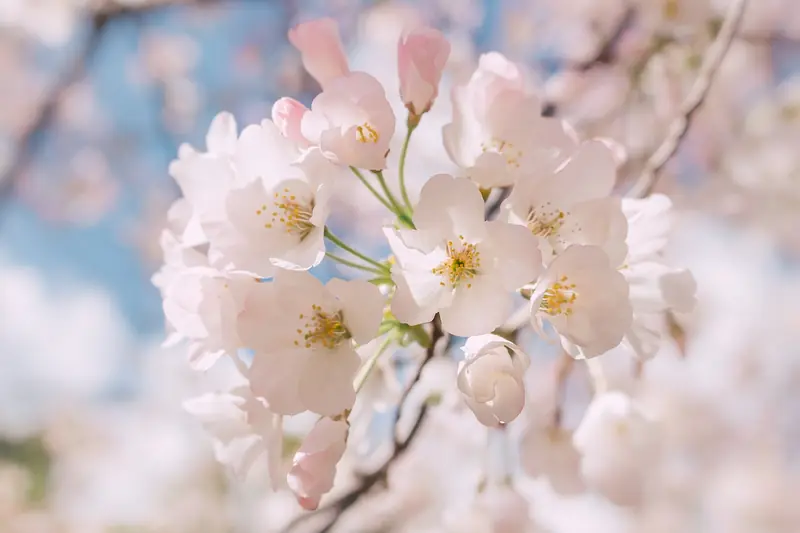

Elizabeth Frances Gamble, Edwin's daughter, lived in the Waverley Street house for most of her life and became known for her gardens. Her favorite flower was the iris. When she died in 1981 at age 92, she left the house and garden to the City of Palo Alto. A nonprofit horticultural foundation formed in 1985 to care for the property. It has run Gamble Garden as a public garden ever since.
The grounds at 1431 Waverley Street are open to everyone free of charge every day. Expect formal beds descended from the 1908 design, seasonal flowers and the historic main house and carriage house, which the foundation uses for classes and events. The garden's biggest fundraiser is its spring garden tour, which opens private gardens around town. Check the Gamble Garden website for current hours, events and tour dates.
Rinconada Park and other green space
Old Palo Alto has small parks of its own and big ones next door.
- Rinconada Park, just across Middlefield Road near Embarcadero Road, is one of the city's most popular parks. It has playgrounds, shady lawns, tennis courts and the Rinconada Pool. The Junior Museum and Zoo, which reopened in a rebuilt home in 2021, is part of the same complex. So is the Rinconada Library. See the city's Rinconada Park page for details.
- Bowden Park at 2380 High Street sits by the Caltrain tracks near North California Avenue. A bike and pedestrian tunnel under the tracks nearby leads to California Avenue.
- Bowling Green Park at 474 Embarcadero Road is home to a lawn bowling green.
For bigger outdoor days, try the outdoors guide. The trails of the Stanford Dish and the bay shore at the Baylands are each a short drive away.
Notable residents
Old Palo Alto has been home to many Stanford professors, executives and founders over the years, but most of them kept a low profile. The best known is Apple cofounder Steve Jobs, who lived with his family in Old Palo Alto for many years and died in Palo Alto in 2011. The house remains a private home. Please do not treat it as a tourist stop.
Schools
The only school inside the neighborhood's boundaries is Castilleja School at 1310 Bryant Street, a private girls' school founded in the early 1900s. Its expansion plans have been a long-running local debate. Public school students are generally assigned to Addison or Walter Hays Elementary, then to Frank S. Greene Jr. Middle School and Palo Alto High School, which is just across Alma Street and El Camino Real. Assignments depend on the exact address, so use the Palo Alto Unified School Finder. Our schools guide covers more options.
What living there is like
The appeal of Old Palo Alto is location. Downtown Palo Alto is about a mile north. California Avenue, with its restaurants and its own Caltrain station, is a short walk or bike ride through the tunnel near Bowden Park. Town and Country Village, a long-running shopping center at Embarcadero Road and El Camino Real, handles everyday errands. Midtown's shops are just across Oregon Expressway. Fire Station No. 3 and the Rinconada Library are close by.
The trade-offs are traffic on the edges and the price. Embarcadero Road, Oregon Expressway and Middlefield Road all back up at rush hour and at school drop-off. Inside the grid, though, streets are calm enough for kids on bikes. Homes here sell at some of the highest prices in Palo Alto. See our real estate guide and living in Palo Alto for the wider picture.
For visitors, Old Palo Alto is best enjoyed on foot or by bike. Start at Gamble Garden, wander south along Waverley or Bryant Street to admire the houses, then cut west through the tunnel to lunch on California Avenue. Combine it with a walk through Professorville to the north for a full morning. There are no hotels inside the neighborhood, but you can compare hotels near downtown Palo Alto or look at vacation rentals for a longer stay. Compare it with other parts of town on our neighborhoods overview.
Frequently asked questions
Where is Old Palo Alto?
Old Palo Alto lies between Embarcadero Road on the north and Oregon Expressway on the south. Alma Street and Middlefield Road form its sides. It sits just south of Professorville and east of the Caltrain tracks, close to both downtown and California Avenue.
Is Old Palo Alto the oldest neighborhood in Palo Alto?
No, despite the name. Downtown and Professorville are older. Old Palo Alto developed in the early twentieth century, starting with the Gamble family house built in 1902, which was the first home south of Embarcadero Road.
Is Gamble Garden free to visit?
Yes. The grounds of the Elizabeth F. Gamble Garden at 1431 Waverley Street are open to the public free of charge every day. Check the garden's website for hours, events and the spring garden tour, which is a ticketed fundraiser.
Did Steve Jobs live in Old Palo Alto?
Yes. Steve Jobs lived with his family in Old Palo Alto for many years. The house is a private residence, so view it only from the street if at all.
What public schools serve Old Palo Alto?
Many addresses are assigned to Addison or Walter Hays Elementary, then Greene Middle School and Palo Alto High School. Assignments depend on the exact address, so confirm with the Palo Alto Unified School Finder.