On this page
People move to Palo Alto to start companies for a simple reason. Stanford, investors, experienced engineers and early customers are all within a few miles. The catch is equally simple. Housing here is among the most expensive in the country. A founder's salary is often small or zero. This guide is about making the move work: what housing costs according to dated public data, where else to live, how to get around and what to do in your first week.
For the full picture of homes and neighborhoods, read our Palo Alto real estate guide and guide to living in Palo Alto. This page focuses on what matters to someone arriving to build a company.
What housing costs
We only quote housing numbers with a source and a date. The best official snapshot is the Census Bureau's American Community Survey, which averages five years of data. For 2020 to 2024 it reported these figures for Palo Alto:
| Measure | Palo Alto, 2020 to 2024 |
|---|---|
| Median gross rent | $3,484 a month |
| Median value of owner-occupied homes | $2,000,000 or more (the survey's top value) |
| Owner-occupied housing rate | 54.6 percent |
| Median household income | $231,101 (in 2024 dollars) |
| Persons per household | 2.56 |
Source: U.S. Census Bureau QuickFacts, Palo Alto. The rent figure includes tenants who have lived in the same place for years. Units listed for rent today usually cost more than the median, especially near downtown and Stanford. Check current listings for the size and area you want before you budget.
Tenant rules worth knowing
California's statewide rent cap limits annual increases for many older apartments to 5 percent plus inflation, with a maximum of 10 percent. State law also limits security deposits to one month's rent for most landlords. Rules change, so read current state tenant guidance before you sign. Never send a deposit for a place you have not seen or verified. Rental scams target newcomers in expensive markets.
Renting, sharing or a short stay first
Most founders choose one of three setups when they arrive.
- A furnished short stay. The easiest way to land. It buys you a few weeks to learn the area, find a workspace and look at places in person. A furnished vacation rental or a long-stay hotel works well. Our guide to long stays and furnished rentals covers the options.
- A room in a shared house. The cheapest way to live in Palo Alto itself. Shared houses near downtown and Stanford often fill with students, researchers and people working at startups, which helps you meet people fast.
- Your own apartment. More expensive but better for late calls and focused work. Apartments cluster near downtown, along El Camino Real and around California Avenue.
Accessory dwelling units, the backyard cottages and garage conversions that many homeowners have added, are another option for a single person. They often come furnished. If you want hotel flexibility for the first stretch, compare long-stay hotels near Stanford and ask about weekly or monthly rates.
Nearby cities to consider
A short commute can save a lot of rent. These are the places Palo Alto founders most often live:
- Mountain View. Directly south, with its own Caltrain station and a large stock of apartments.
- Menlo Park. Directly north, close to Sand Hill Road. Mostly houses, with some apartments near downtown and El Camino Real.
- East Palo Alto. Across Highway 101 to the east, close to Meta's Menlo Park campus and a short bike ride from downtown Palo Alto.
- Redwood City. Two Caltrain stops north, with a busy downtown and newer apartment buildings near the station.
- Sunnyvale and San Jose. Further south. Larger apartment complexes and a longer train or car ride.
- San Francisco. About an hour by Caltrain. It suits founders who want a city life and only need Palo Alto a few days a week.
Before you sign, ride the commute at rush hour. Our Palo Alto neighborhoods guide describes each part of the city if you want to stay inside it.

Getting around without a car
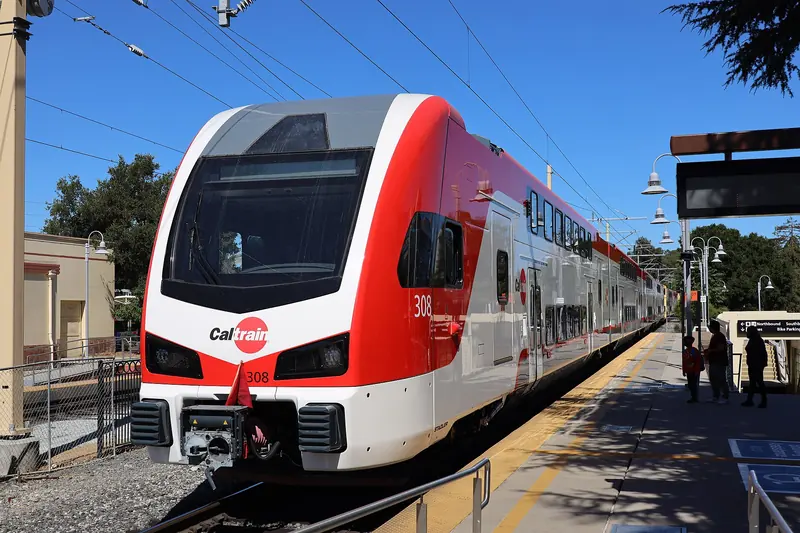
Many founders here live without a car, at least at first. Caltrain stops at Palo Alto station on University Avenue and at California Avenue station. Palo Alto is in zone 3. Electric trains replaced diesel service in 2024. Pay with a Clipper card or a contactless bank card. Stanford's free Marguerite shuttle links the Palo Alto station with campus and Stanford Research Park on weekdays. The city is flat and bike friendly, though it has no bike share program. Our getting around guide covers fares, buses and parking.
Schools for founders with kids
Most Palo Alto addresses fall within the Palo Alto Unified School District. The California Department of Education reported 10,124 students in the district for the 2025 to 2026 school year. It runs 12 elementary schools, three middle schools and three high schools. School assignment depends on your address, so confirm it with the district before you sign a lease. Our schools guide covers public, private and Stanford-affiliated options.
Healthcare and insurance
Palo Alto is a strong place to get medical care. Stanford Health Care runs Stanford Hospital and clinics around the area. Lucile Packard Children's Hospital Stanford treats children. The Palo Alto Medical Foundation, part of Sutter Health, runs a large clinic campus in town. Veterans can use the VA Palo Alto Health Care System. Our page on visiting Stanford Hospital covers parking and access.
Insurance is the bigger question for founders. If your company does not offer a plan yet, look at Covered California, the state's health insurance marketplace, or a plan through a professional employer organization. International founders on short visits should consider travel medical coverage until they have a US plan.
Your first week checklist
- Get connected. International founders can set up an eSIM before landing, then switch to a US carrier once they have an address.
- Get a Clipper card. Add one to your phone wallet or buy a card at a station.
- Set up utilities. The City of Palo Alto runs the electric, gas, water and wastewater utilities, so you open an account with the city rather than a private company.
- Visit the DMV if you drive. The California DMV says new residents should get a California license within 10 days and register an out-of-state car within 20 days. Book on the DMV site.
- Find a workspace. A library card, a cafe and a day office go a long way. See our coworking guide.
- Sort out company paperwork. If you will run your company from a Palo Alto office, read our guide to business registration and permits.
- Go to one event. A free Stanford talk on a Wednesday afternoon is the easiest way to meet people in week one.
Good to know
- Budget for the deposit, the first month's rent and furniture at the same time. Many founders underestimate the upfront cost.
- Demand for rentals near Stanford rises in late summer, before the school year starts.
- Keep your first lease short if you can. Your office location may change once you hire.
Frequently asked questions
How much is rent in Palo Alto?
The Census Bureau's American Community Survey put Palo Alto's median gross rent at $3,484 a month for 2020 to 2024. That figure includes long-term tenants paying older rents. Asking rents for units on the market today are often higher, so check current listings for the size you need.
Where do founders live if Palo Alto is too expensive?
Many live in Mountain View, Menlo Park, Redwood City, Sunnyvale, San Jose or San Francisco and commute by Caltrain, bike or car. Sharing a house or renting a room in Palo Alto is also common for solo founders. Check commute times at rush hour before you commit.
Is it better to rent or share a house when moving to Palo Alto?
Sharing costs less and helps you meet people quickly, which matters in your first months. Renting your own place gives you room for calls and focused work. Many founders start with a furnished short stay, then share or rent once they know where they will work.
How long do I have to get a California driver's license after moving?
The California DMV says new residents should get a California driver's license within 10 days of becoming a resident and register an out-of-state vehicle within 20 days. Check the DMV site for documents and appointments.
Which Caltrain stations serve Palo Alto?
Palo Alto station at University Avenue and California Avenue station both have regular service. Palo Alto is in Caltrain zone 3. Electric trains replaced diesel service in 2024 and fares are paid with Clipper or a contactless card.